THE MALVERN Hills Conservators is working with the West Midlands Butterfly Conservation in an effort to save Worcestershire’s rarest butterfly.
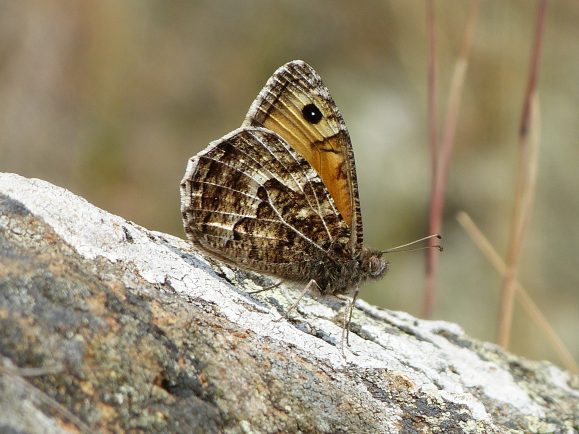
The Grayling butterfly can only be found on the Malvern Hills but has declined significantly over the past ten years.
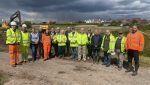
Now volunteers are working hard to improve numbers by undertaking habitat improvements particularly around North Hill where the remaining populations are found.
Last winter large areas of scrub were removed from some of the rocky outcrops that are essential for the Grayling’s survival.
Mel Mason from West Midlands Butterfly Conservation who has helped to organise the work, said: “The Grayling butterfly has been recorded along the eastern slopes of the Malvern Hills since at least 1853 and once occurred along the full length of the hills.
“Its range has declined dramatically in recent years and it is struggling to survive. The butterfly needs bare rocks open to the sun around which they fly during a few short weeks in July and lay their eggs on short tufts of fine grasses.
“Unfortunately, many of these favoured areas are becoming smothered by encroaching gorse, broom and bramble which is bad news for the butterfly.”
The West Midlands Butterfly Conservation hopes that by working together with the Conservators the future of the butterfly can be secured.
Mark Roberts, deputy conservation officer for Malvern Hills Conservators added: “It’s important to maintain a sensible balance between trees and scrub on the lower slopes with more open grassland on the higher slopes to encourage the greatest diversity of wildlife for everyone to enjoy.”
The West Midlands Butterfly Conservation is now looking for volunteers to help monitor numbers this summer and anyone interested in helping with this crucial work should contact Mel Mason by emailing [email protected].