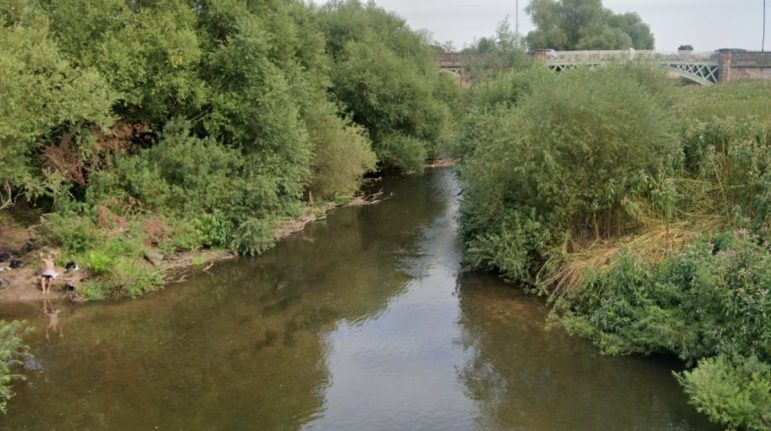
THE RIVER Teme in Powick has been named one of the worst waterways for levels of hazardous chemicals known as biocides, new data has revealed.
Environmental groups Wildlife and Countryside Link and The Rivers Trust examined official water quality data from English rivers for seven key biocides including fungicides, a herbicide and insecticides.
Seven were widespread in rivers, the study found, with the River Teme, along with the River Lugg in Herefordshire, among the 12 showing the highest numbers of the hazardous chemicals.
Dr Rob Collins, director of policy and science at the Rivers Trust, said: “Finding biocides in almost every river tested is alarming – this is a really high presence rate.”
At least one of seven key biocide compounds was detected at 95 per cent (113 out of 119) of river sites tested between 2019-2024 by the Environment Agency.
The study also identified 51 unique biocides present in drinking water safeguard zones during the same period. Following the alarming news, Dr Collins has branded chemical pollution as ‘just as harmful as sewage’.
The Rivers Trust is now calling on the Government to impose the same regulations on these chemicals as is common practice in the EU.
Dr Collins added: “Alignment with the EU is the quick, sensible solution to bridge the chemical protection gap in the UK.”
Products that contain biocides include disinfectants and cleaning sprays, insect repellents, insect killer sprays, rat poisons, wood preservers, adhesives, carpets and furniture, construction materials, paints, and paper products.
The new Government proposals to weaken chemical regulation could leave biocide products on GB shelves that might be banned elsewhere, or see high-strength products for sale when only weaker versions are allowed in the EU due to toxicity levels.
Environmentalists are warning the Government’s biocide approach will be somewhat at odds with Britain’s recent agreement to dynamically align with the EU on pesticides to remove barriers to trade on agri-food products.
Richard Benwell, CEO of Wildlife and Countryside Link, said: “The growing protection gap between the UK and the EU on chemicals is at risk of becoming a canyon.”