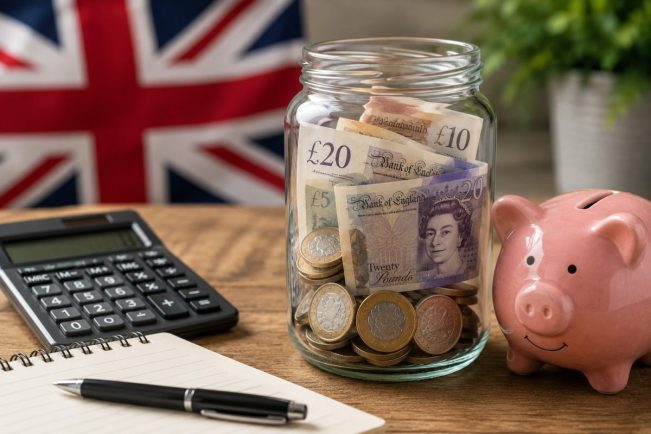
Millions of savers could be affected by significant changes to Individual Savings Accounts (ISAs) after the Government confirmed a series of reforms due to come into force in April 2027.
The changes include a new 22 per cent charge on interest earned from cash held within Stocks and Shares ISAs and other non-cash ISA products, alongside a reduction in the amount younger savers can place into Cash ISAs each year.
ISAs have long been one of Britain’s most popular savings products because they allow people to save or invest money without paying tax on interest, investment growth or capital gains.
Currently, every adult is entitled to save or invest up to £20,000 each tax year across their ISA accounts.
However, under plans announced by Chancellor Rachel Reeves, the annual Cash ISA allowance for people under 65 will fall from £20,000 to £12,000 from April 2027. The overall ISA allowance will remain at £20,000, meaning savers will still be able to invest up to that amount if some of the money is placed into Stocks and Shares ISAs or other qualifying products.
The Government says the reforms are intended to encourage more people to invest in shares and other assets, which ministers believe can generate better long-term returns and support economic growth.
At the same time, the Treasury has confirmed that interest earned on cash held within Stocks and Shares ISAs and Innovative Finance ISAs will no longer receive the same tax treatment as money held in a Cash ISA.
Instead, a 22 per cent charge will be applied to interest earned on those cash balances from April 2027.
The Government says the measure is designed to prevent investors using Stocks and Shares ISAs as an alternative home for cash savings once the Cash ISA allowance is reduced.
For many investors, however, cash is routinely held within Stocks and Shares ISAs for practical reasons. People often leave money temporarily in cash after selling investments, while deciding where to reinvest proceeds, or while gradually moving money into the market over a period of months.
Financial expert Martin Lewis has criticised the measure, describing it as a “very blunt tool”.
He warned that the policy could penalise sensible investment behaviour and make it more difficult for people who prefer to invest gradually rather than committing large sums of money to markets at a single point in time.
The reforms will also place new restrictions on transfers between ISA products.
From April 2027, savers under the age of 65 will no longer be able to transfer money from Stocks and Shares ISAs into Cash ISAs. Transfers from Cash ISAs into Stocks and Shares ISAs will still be permitted.
The Government has confirmed that these restrictions will be lifted from the start of the tax year in which a saver turns 65.
One area unaffected by the new 22 per cent charge will be Money Market Funds, which are investment products that typically hold short-term debt securities and are often viewed as lower-risk investments.
However, under the new rules, investors will not be permitted to hold all of their Stocks and Shares ISA assets exclusively in Money Market Funds.
The Treasury has also clarified how the age-related changes will work. Savers will become eligible for the full £20,000 Cash ISA allowance during the tax year in which they turn 65.
The annual limits for Stocks and Shares ISAs and Innovative Finance ISAs will remain unchanged, while the overall ISA allowance will continue to be £20,000.
The reforms are scheduled to take effect on 6 April 2027 and are likely to be closely watched by savers, financial advisers and investment firms as further details emerge over the coming months.
Main Image: For illustration purposes.