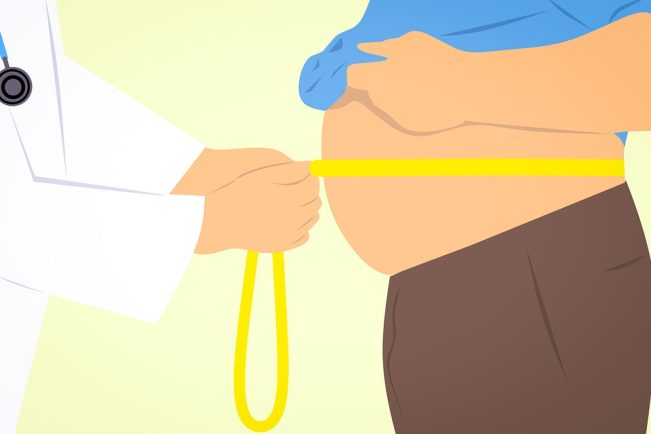
New research from the University of York suggests that obesity is having a measurable effect on Britain’s job market, with more than 600,000 people believed to be out of work because of their weight.
The study drew on data from 284,258 volunteers who took part in the UK Biobank project, a long running health research initiative. Researchers looked at each person’s body mass index, along with their waist to hip and weight to height ratios, then compared this against their employment status.
Across the group studied, the overall employment rate stood at 75.5 per cent, and roughly a quarter of participants were classified as obese, meaning they had a BMI above 30. Those individuals tended to have lower employment rates overall and were less likely to hold a university degree than people who were not obese.
When the researchers crunched the numbers, they found that obesity cut a person’s chances of being in work by 4.2 percentage points. In practical terms, that works out to around four extra people out of every hundred being jobless purely because of their weight. The team behind the study, whose findings were presented at the International Congress on Obesity in Mexico, described the effect as statistically significant.
Men hit harder than women
Interestingly, the study found the impact was far from equal between the sexes. Obesity was estimated to reduce men’s employment chances by 6.6 percentage points, roughly three times the 2.1 percentage point effect seen in women.
Dr Aharon Katz, who led the research, said the contrasting figures point to different labour market consequences for men and women, though he was cautious about pinning down exactly why. He suggested the gap could stem from differences in the types of jobs men and women tend to do, health related limitations at work, discrimination by employers, or wider social factors shaping employment decisions. For now, he said, these explanations remain speculative and further research is needed.
The study also found that education played a protective role. Obese people with lower levels of education were significantly more likely to be out of work, whereas those with a degree fared better.
Wider economic and health context
Dr Katz argued the findings should prompt a more targeted response from policymakers and employers alike, calling for greater awareness, a challenge to workplace bias, and a stronger push for inclusivity.
The research adds to a growing body of evidence on the economic toll of Britain’s weight problem. Two in three UK adults are now considered overweight or obese, with obesity rates having doubled since the 1990s. Earlier research has also shown that obese employees are roughly twice as likely to take sick leave as colleagues of a healthy weight.
Separately, studies into weight loss injections have found they can significantly cut sickness absence. Patients prescribed the jabs saw their sick days fall by 45 per cent after nine months, with long term absences of five days or more dropping by 56 per cent. Experts believe wider access to the treatments could free up millions of GP appointments and reduce A&E visits linked to obesity.
More than two million people in the UK are currently using GLP-1 weight loss injections, most of them bought privately due to limited NHS availability. Weight loss pills using similar technology have also just become available over the counter at pharmacies and supermarkets, with some experts predicting they could eventually outsell the injections.
The Government has already begun piloting schemes offering weight loss jabs to unemployed people as part of a wider effort to get more people back into work.