ARE YOU driven by a nagging sense that every spare second belongs to your career? For many, the standard British workday can seem like a relentless treadmill where your value depends entirely on your output. Maybe you find yourself checking your phone or your emails while the kettle is boiling or spending your lunch break mulling over how that morning meeting went instead of switching off.
We seem to be in the habit of celebrating the grind, where professionals wear their exhaustion like a badge of honour. And when you finally sit down, you might feel a pang of guilt for not optimising your downtime with a side hustle or a fitness goal. Breaking this cycle requires a radical shift in how you view your right to enjoyment.
Hustle culture treats rest like a luxury
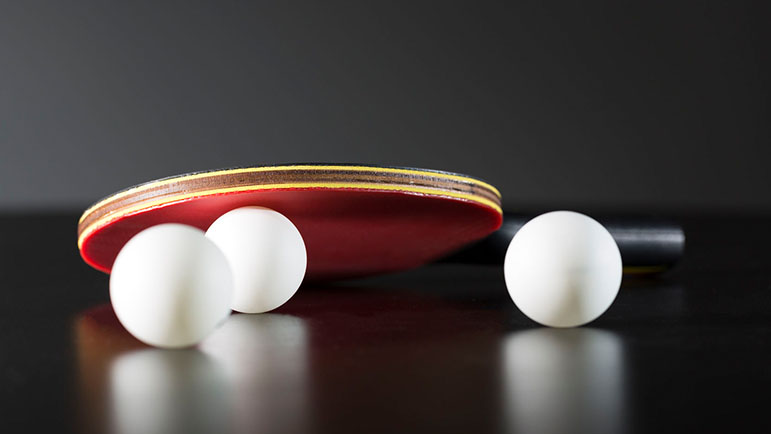
When is the last time you did something you enjoy? Perhaps you used to love to play tennis or engaged in arcade games. But if it feels like your job is taking over, you might not remember the last time you picked up a racquet.
If you aren’t frazzled, society suggests you aren’t trying hard enough. If you’ve worked with colleagues who brag about working overtime or through their lunches, you’ll know this creates an environment where sitting still feels like a personal failure. Basic rest is transformed into a reward you must earn through burnout rather than a fundamental human requirement.
When you intentionally choose to do something purely for the sake of enjoyment, you change this narrative. You stop treating your body and mind like machines. Choosing a hobby instead of spending more time on a spreadsheet can feel radical because it prioritises your own wellbeing. You reclaim your identity as an individual with interests that don’t need to be monetised or added to a CV.
Play helps you reclaim your time and joy
Integrating play into your routine offers a reset. While sleep repairs the body, play can be good for giving you a boost. You don’t need to go on a big adventure. Small moments can act as a refresh, clearing the fog and allowing your natural creativity to resurface.
You might want to go analogue and break out a 200-piece puzzle or you could go digital and play brain training games. This type of play gives you a chance to pause and return to your tasks with a more balanced perspective.
Choosing play is a statement of self-worth
When you pick up a complex puzzle or share a digital gaming experience with friends, you are asserting that your happiness matters independently of your bank balance or job title. This mindset shifts the focus from what you can produce to how you feel. Whatever you choose to do, you are choosing to remind yourself that it’s okay to step away from your work – it might even mean you’re ready to go back and troubleshoot the problems you had before you hit pause to play.
Article written by Jack Harris