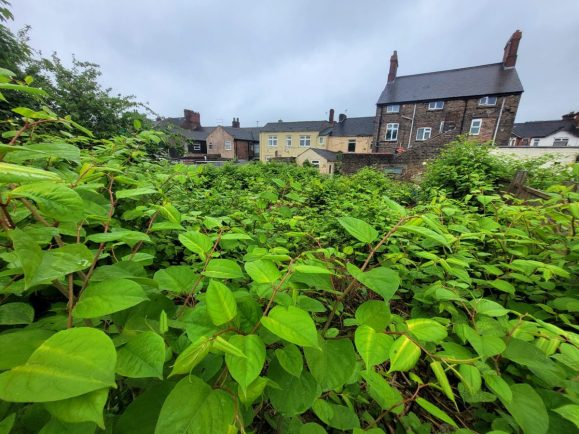
MALVERN has been identified as a hotspot for Japanese knotweed in the county, according to reports collated by an invasive plant specialist.
Across Malvern in 2024, a total of 43 sightings of the invasive species have been verified through specialist, Environet’s interactive online tracker.
The tracker, known as Exposed: The Japanese Knotweed Heatmap, also identified Worcester and Droitwich as hotspots in Worcestershire for the invasive plant.
A total of 128 sightings of Japanese knotweed have been verified in Worcester, as well as 40 in Droitwich, over the same period.
In total, Evironet’s resource has helped identify 452 verified knotweed sightings in Worcestershire, marking the county as the 17th worst affected in England.
Japanese knotweed is a feared plant in the UK due to its history of damaging property and infrastructure in its vicinity. The plant can grow into cavity walls, expansion joints in concrete, and drains and sewers.
It can disrupt drainage pipes and contribute to riverbank erosion, increasing the likelihood of flooding. It has various ecological impacts as it can crowd out other species, reducing diversity and the prevalence of native plants.
It is a costly and lengthy process to remove the invasive species, which can cost thousands and take years. In total, tackling knotweed costs the UK economy nearly £250 million a year.
Over the next few weeks knotweed will start to die back, as temperatures cool and light levels drop, sending the plant into its dormant winter phase.
Its green leaves will die and fall from the branches, the stems will turn brown and brittle, and after the first few frosts the plant will have completely died back, leaving only the dead canes remaining.
However, the plant will re-emerge next spring, so autumn and winter is the ideal time to excavate it when the garden is not in use.
Environet estimates that approximately 5 per cent of homes are currently affected by Japanese knotweed, either directly or neighbouring an affected property, typically impacting property prices by around 5 per cent – or up to 10 per cent in severe cases.
Emily Grant, director of Environet, said: “With over 60,000 known infestations of Japanese knotweed on our heatmap, we have a clear picture of its prevalence across the England and Wales.
“Knotweed is easily identifiable during summer, but it’s a perennial plant so as we head through the autumn and into winter, the above-ground growth dies back and it becomes much harder to spot.
“The best way to protect your property is to be aware of the risks and ensure you can identify knotweed at different times of the year.
“If you’re buying or selling a property, consider instructing a Japanese knotweed survey to check for any sign of the plant on the property and its surroundings.”